

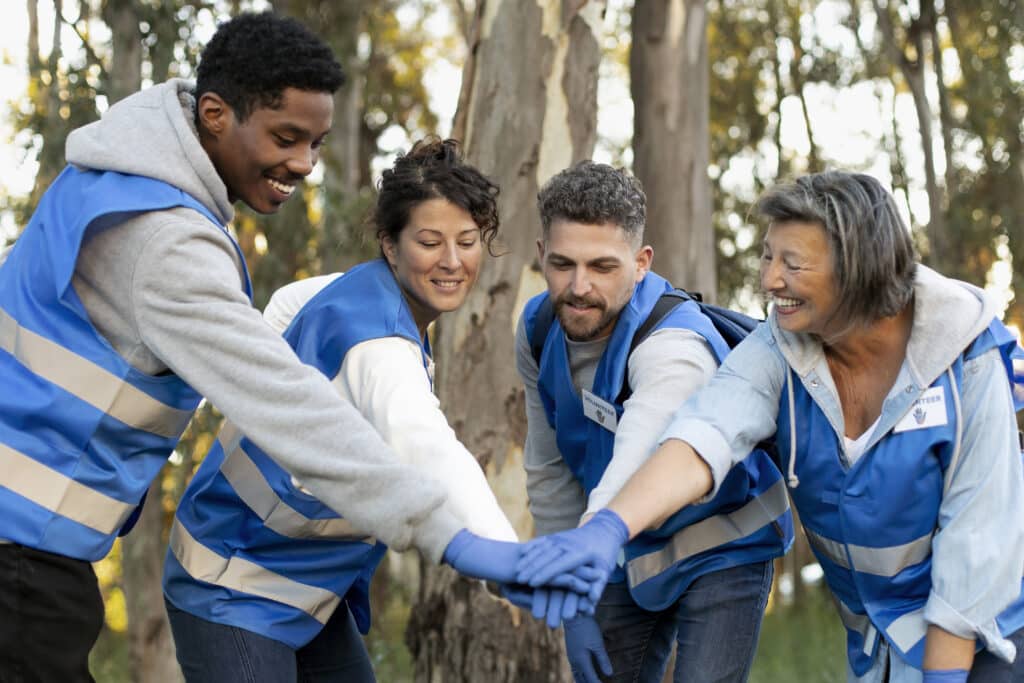
Applying to nursing school is about more than meeting academic requirements. While strong grades, high test scores, and prerequisite coursework are important, admissions committees look for something deeper. They want to admit students who embody the heart of nursing compassion, dedication, and a genuine desire to serve others. One of the best ways to show these qualities is through volunteer work nursing school applicants include in their applications.
Volunteering does more than just check a box. It provides students with hands-on experiences, personal growth, and a chance to demonstrate their commitment to patient care. It also helps future nurses develop the skills needed in a profession that demands empathy, resilience, and teamwork.
In this article, we’ll explore why volunteer work matters so much in nursing school admissions, the types of volunteer opportunities that stand out, the skills you gain from service, and how to present these experiences effectively in your application.
Why Volunteer Work Matters in Nursing School
Nursing as a Service-Oriented Profession
Nursing is not simply a career path it is a calling rooted in service. Nurses are often the ones who provide comfort, advocate for patients, and ensure continuity of care. When an applicant has a history of volunteer service, it sends a clear message: they understand that nursing is about helping others, not just securing a stable job.
Admissions committees value this background because it reflects authenticity. Someone who has spent time serving vulnerable populations or contributing to healthcare settings has already shown that they embrace the values at the core of nursing. This distinguishes them from applicants who may be motivated solely by job security or financial gain.
Building Character and Dedication
Grades and test scores measure academic ability, but they cannot capture qualities like empathy, patience, and resilience. Volunteer work demonstrates these traits in action. Whether it is holding the hand of a hospice patient, assisting in a food bank, or supporting children in underserved schools, these experiences highlight the applicant’s ability to put others first.
Nursing schools know that patient care can be demanding and emotionally challenging. Applicants who already have a record of service are often viewed as better prepared for the intensity of nursing school and the realities of clinical practice.
Exposure to Healthcare Environments
Many students choose volunteer opportunities in hospitals, clinics, or nursing homes. These experiences give them a firsthand look at the healthcare system, which helps confirm their passion for nursing. It also allows admissions committees to see that the applicant has already been exposed to the realities of patient interaction and healthcare teamwork.
Skills Gained from Volunteer Work
Communication and Empathy
Working with people from diverse backgrounds improves communication and strengthens empathy. These are two of the most critical qualities for nurses.
Teamwork and Collaboration
Volunteering often requires working with healthcare staff and fellow volunteers. This builds teamwork skills that will be necessary in nursing school and professional practice.
Time Management and Adaptability
Balancing volunteer commitments with academic work develops strong organizational abilities. Adapting to different situations while serving also prepares students for the unpredictable nature of nursing.
How to Present Volunteer Work in Applications
Highlighting Experience in the Application
It is not enough to simply list hours of service on an application. The key is to explain what was learned from the experience. Applicants should describe the type of work, the people they served, and how it influenced their decision to pursue nursing.
Using Personal Statements and Interviews
Volunteer work can be highlighted in the personal statement or discussed during an interview. Sharing meaningful stories about helping patients, supporting underserved communities, or assisting in healthcare settings adds depth to an application. Nursing schools are looking for authenticity, and honest reflections about volunteer experiences often leave a strong impression.
Types of Volunteer Work That Strengthen Applications
Not all volunteer experiences are the same. While any type of community service shows dedication and compassion, some opportunities are especially impactful for nursing school applications.
Hospital and Clinic Volunteering
Working in hospitals or clinics allows applicants to observe healthcare professionals in action. Volunteers may greet patients, deliver supplies, assist staff, or comfort families in waiting areas. While these tasks may not involve direct patient care, they help future nurses understand the rhythm of a healthcare facility and witness the teamwork required to support patient outcomes.
Nursing Home and Hospice Service
Volunteering in nursing homes or hospice programs provides meaningful exposure to long-term and end-of-life care. These experiences teach patience, empathy, and the ability to support patients and families during vulnerable times. They also demonstrate that the applicant can handle emotionally challenging situations—an essential quality for nurses.
Community Health Initiatives
Many organizations host vaccination drives, health screenings, or wellness programs for underserved populations. Participating in these initiatives shows a commitment to public health and preventive care. It also allows applicants to serve diverse populations, which is increasingly important in today’s multicultural healthcare environment.
Non-Medical Service Opportunities
Even service that is not directly related to healthcare can strengthen an application. Volunteering at food banks, tutoring programs, or shelters demonstrates compassion and dedication to service. Nursing schools recognize that these experiences still build critical soft skills like communication, leadership, and adaptability.
The Long-Term Value of Volunteer Work
While volunteer work is essential for admissions, its benefits go far beyond getting into nursing school.
-
Personal Growth : Service builds character and resilience, qualities that will be invaluable throughout a nursing career.
-
Professional Readiness : Experiences in healthcare settings provide early exposure to the demands of nursing, easing the transition into clinical training.
-
Networking Opportunities : Volunteering allows students to connect with healthcare professionals who may later serve as mentors or provide letters of recommendation.
Conclusion
The role of volunteer work nursing school admissions committees consider goes far beyond community service hours. It demonstrates compassion, commitment, and readiness for a career in nursing. By choosing meaningful opportunities, gaining real world skills, and presenting these experiences thoughtfully in applications, future nurses can strengthen their chances of admission and show that they are prepared to serve others.