

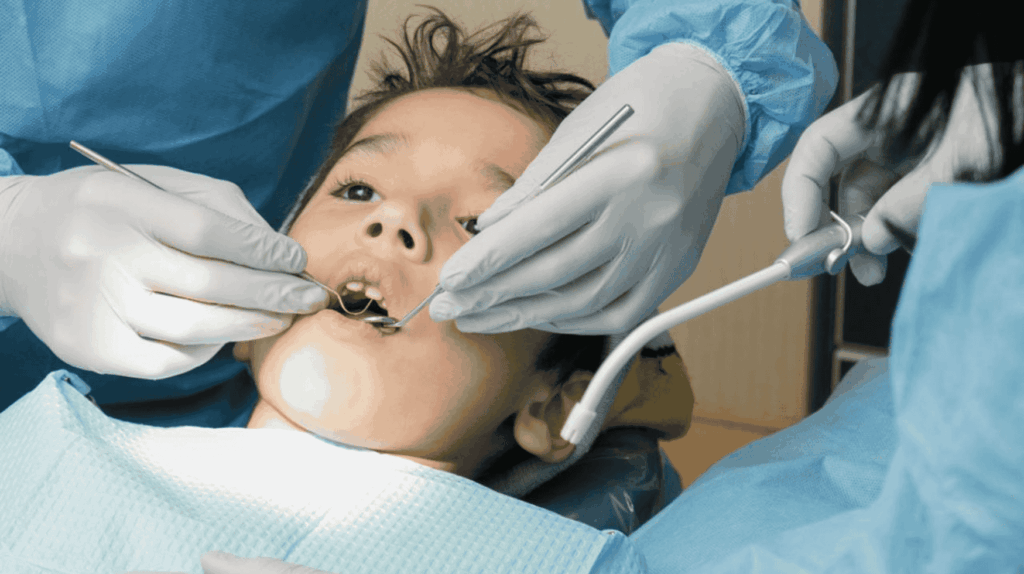
Foreign-trained dentists often aspire to practice in the United States, where dental education and professional standards are among the highest in the world. However, navigating the path to licensure and practice can be complex, requiring additional education, training, and successful completion of licensing examinations. One of the most viable pathways for internationally trained dentists is enrolling in dental residency programs. These programs not only provide advanced clinical experience but also help foreign-trained professionals meet state requirements for licensure.
In this article, we will explore the significance of dental residency programs for foreign-trained dentists, the different types of programs available, eligibility requirements, application processes, challenges, and tips for success.
Why Dental Residency Programs Are Important for Foreign-Trained Dentists
Foreign-trained dentists face several hurdles when transitioning into the U.S. dental profession. Some states do not recognize dental degrees earned outside the U.S. or Canada, meaning additional training is essential before obtaining a license. Residency programs provide:
- Credential Recognition: Completing an accredited program in the U.S. enhances credibility and bridges educational gaps.
- Clinical Skills Advancement: Programs allow foreign-trained dentists to gain hands-on experience with U.S. dental technologies, techniques, and patient care standards.
- Licensure Pathway: Many states accept completion of a residency program as part of the requirements for dental licensure.
- Networking Opportunities: Residency placements expose dentists to mentors, peers, and professional organizations.
Types of Dental Residency Programs Available
There are multiple types of residency programs open to foreign-trained dentists, depending on their career goals and licensure needs:
- Advanced Standing Programs (International Dentist Programs)
- Duration: 2–3 years
- Purpose: Designed specifically for internationally trained dentists, these programs allow them to earn a U.S. Doctor of Dental Surgery (DDS) or Doctor of Dental Medicine (DMD) degree.
- Benefit: Graduates are treated the same as U.S.-trained dental students and can apply for licensure in most states.
- General Practice Residency (GPR)
- Duration: 1–2 years
- Purpose: Hospital-based training that emphasizes comprehensive dental care for medically complex patients.
- Benefit: Provides exposure to diverse cases and hospital protocols, useful for dentists seeking broader clinical skills.
- Advanced Education in General Dentistry (AEGD)
- Duration: 1–2 years
- Purpose: Focuses on enhancing clinical skills in a non-hospital setting.
- Benefit: Great for dentists who want to refine their general dentistry knowledge before pursuing licensure or specialization.
- Specialty Residency Programs
- Duration: 2–6 years depending on specialty (e.g., orthodontics, oral surgery, periodontics, prosthodontics).
- Purpose: Enables dentists to specialize in a particular field.
- Benefit: Upon completion, dentists can pursue board certification in their chosen specialty.
Eligibility Requirements for Foreign-Trained Dentists
Each residency program has unique admission requirements, but general eligibility criteria often include:
- Educational Background: A recognized dental degree from an international institution.
- Examinations: Passing scores on the National Board Dental Examination (NBDE) or the newer Integrated National Board Dental Examination (INBDE).
- English Proficiency: Most programs require TOEFL or other proof of English language proficiency.
- Clinical Skills Assessments: Some programs may require bench tests or clinical skills demonstrations.
- Visa Requirements: Foreign-trained dentists usually require student visas (F-1 or J-1) to participate in residency programs.
Application Process
The application process for dental residency programs can be rigorous and competitive. Here’s an overview of the steps:
- Credential Evaluation: Submit your international transcripts for evaluation by agencies such as ECE or WES to confirm equivalency.
- NBDE/INBDE: Successfully complete the required board examinations.
- English Proficiency Test: Complete TOEFL if English is not your first language.
- Prepare Application Materials: This includes a personal statement, CV, letters of recommendation, and academic records.
- Use ADEA PASS: Many residency programs require applications through the Postdoctoral Application Support Service (PASS).
- Interview and Skills Assessment: Shortlisted candidates are invited to interviews and sometimes bench tests.
Foreign-trained dentists often seek professional editing support for their application essays and personal statements to ensure clarity and impact.
Challenges Faced by Foreign-Trained Dentists
While dental residency programs provide an excellent pathway, foreign-trained dentists face several challenges:
- High Competition: Limited seats in programs make acceptance highly competitive.
- Financial Costs: Tuition, examination fees, and living expenses can be substantial.
- Visa and Immigration Issues: Navigating U.S. visa requirements can be complex.
- Cultural Adjustment: Adapting to new academic, professional, and cultural environments requires resilience.
- Licensure Variability: State-by-state differences in licensing rules create additional complexity.
Tips for Success
To improve your chances of securing a residency program as a foreign-trained dentist, consider the following strategies:
- Start Early: Begin preparing at least one to two years in advance of application deadlines.
- Excel in Exams: Aim for high scores on NBDE/INBDE and TOEFL to strengthen your application.
- Clinical Experience: Volunteer or observe in U.S. dental clinics to gain exposure and references.
- Strong Personal Statement: Clearly express your motivations, experiences, and goals.
- Professional Editing Services: Seek expert help to refine your personal statement and CV for maximum impact.
- Networking: Attend dental conferences, join professional associations, and connect with mentors.
- Flexibility: Apply broadly to multiple programs, both general and specialized.
Future Outlook for Foreign-Trained Dentists in the U.S.
With an increasing demand for dental professionals across the United States, the opportunities for foreign-trained dentists remain strong. Rural and underserved areas, in particular, continue to experience shortages of dental providers. Completing a residency program equips international dentists with the knowledge, clinical expertise, and credentials to contribute meaningfully to the U.S. healthcare system.
Conclusion
Dental residency programs are a vital pathway for foreign-trained dentists who wish to practice in the United States. These programs not only enhance clinical skills but also provide a bridge to licensure and professional growth. While the journey involves challenges such as exams, costs, and cultural adjustments, with proper planning, preparation, and support, success is achievable.
Foreign-trained dentists are encouraged to explore multiple program options, start early, and seek guidance from experts to navigate the competitive application process. Ultimately, completing a dental residency program in the U.S. is not just a step toward licensure, it is an investment in a rewarding career that impacts patients and communities nationwide.