-
×
 Clinical Experience Journal
1 × $29.95
Clinical Experience Journal
1 × $29.95
Subtotal: $29.95
$25.00
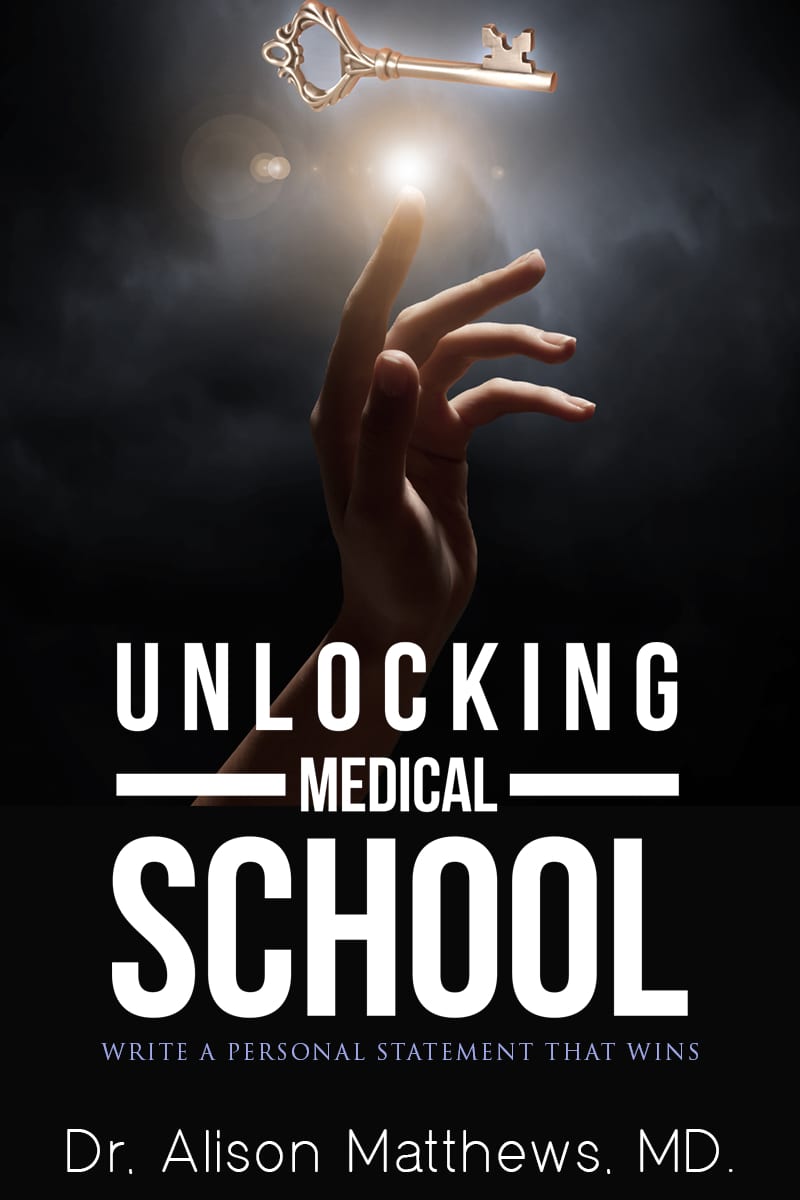
The personal statement is an often neglected portion of the medical school application. Although this mistake is common, it can have extremely negative effects on an applicant’s chances of success. This high-yield and concise guide will lead medical school applicants through the step-by-step process of writing a strong personal statement. Many exercises, tips, and tricks are given to make the writing process quick and easy.
Out of stock
The personal statement is one of the most crucial components of a medical school application. Yet, it is often overlooked by applicants who focus primarily on grades and test scores. Neglecting this element can significantly reduce an applicant’s chances of admission. A well-written personal statement, however, can showcase your unique qualities, experiences, and motivations, setting you apart in a highly competitive field.
A personal statement allows admissions committees to see beyond your academic record. It gives them insight into your character, your passion for medicine, and your potential as a future physician. Unlike transcripts or test scores, this is your chance to tell your story and demonstrate why you are a good fit for the medical profession.
Before putting pen to paper, it is essential to reflect on your experiences. Ask yourself questions such as:
Why do I want to pursue medicine?
What experiences have shaped my decision?
How have I demonstrated resilience, empathy, and commitment?
Jot down significant experiences, challenges, and achievements that illustrate your personal growth and dedication to healthcare.
A strong personal statement typically follows a clear structure:
Introduction: Start with a compelling anecdote or a defining moment that drew you to medicine. Capture the reader’s attention immediately.
Body: Highlight meaningful experiences, such as clinical exposure, volunteer work, research, or personal challenges. Focus on what you learned and how it shaped your perspective.
Conclusion: Reinforce your passion for medicine and summarize why you are well-suited for a medical career. End on a confident, forward-looking note.
Be authentic: Share your genuine motivations and experiences. Avoid clichés or generic statements.
Show, don’t tell: Instead of saying “I am compassionate,” illustrate it with specific examples.
Keep it concise: Adhere to word limits while maintaining clarity and impact.
Revise thoroughly: Proofread for grammar, flow, and coherence. Multiple revisions often improve clarity and depth.
Freewriting: Spend 10–15 minutes daily writing about your experiences and reflections.
Peer review: Ask mentors or colleagues to review your draft and provide constructive feedback.
Outline mapping: Organize your experiences in a timeline to ensure a logical and smooth narrative.
A strong personal statement is more than just a writing exercise; it is an opportunity to communicate your passion for medicine and your unique journey. By carefully planning, reflecting on meaningful experiences, and revising thoughtfully, you can craft a personal statement that captures the attention of admissions committees and strengthens your medical school application.
In addition to refining your personal statement, practicing with Medical School Interview Coaching can help you confidently present your experiences during interviews.